• A New book is on its way! See below for details


  • Welcome to my site

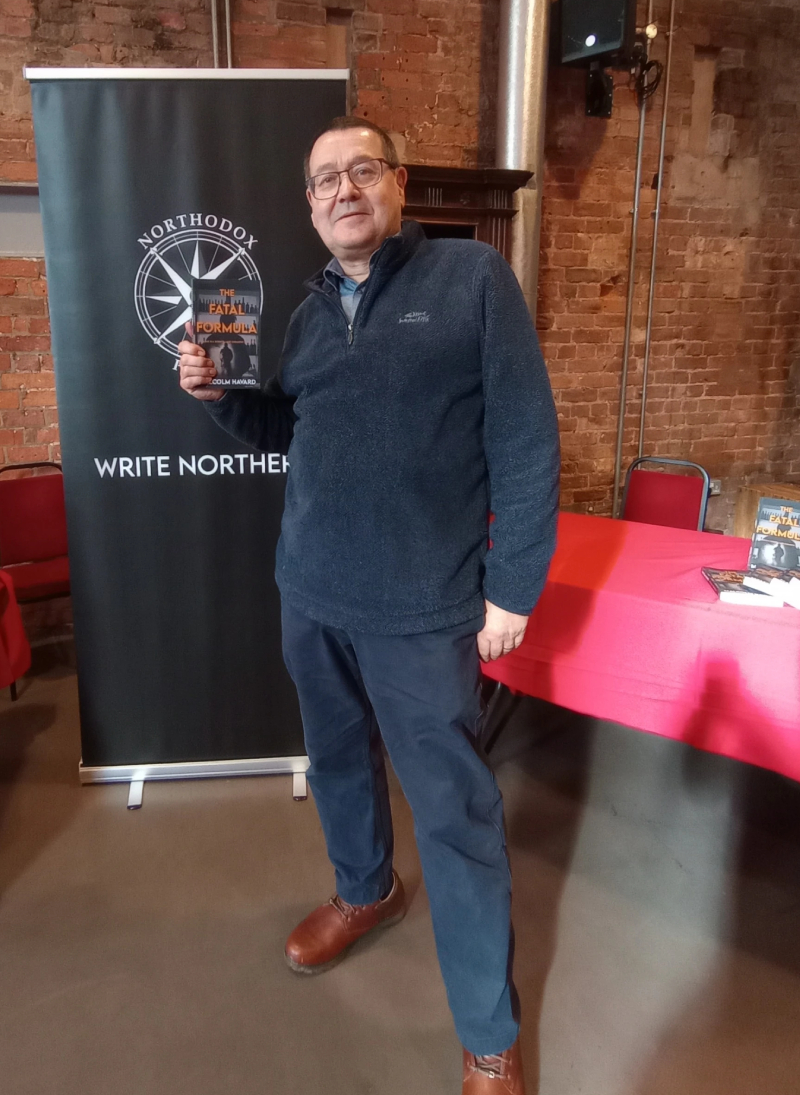
    Hi, I'm Malcolm Havard, a British writer of (mainly) historical fiction set in the 20th century. Find links to all my books in the navigation bar above

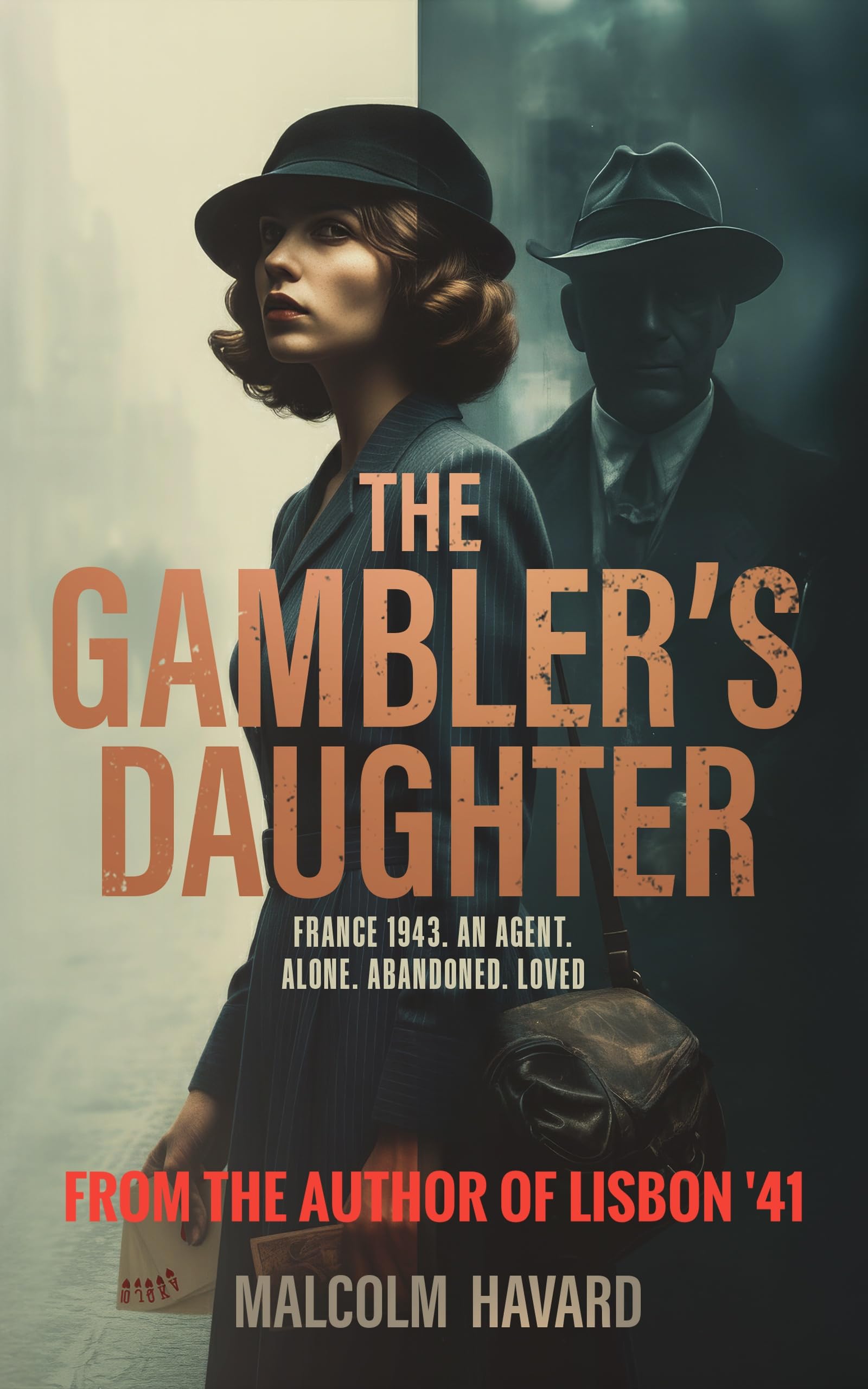
    Coming in February 2026: The Gambler's Daughter


    I'm thrilled to share news of my new novel, TheGambler’s Daughter. Set in WWII, it follows Fiona Laval—a risk-taker, codebreaker, and reluctant spy—on a dangerous mission behind enemy lines in occupied France. With suspense, betrayal, and a heroine who must gamble everything for survival, this is a story of courage and impossible choices.


    Out on 15th February 2026 and available to preorder now! Just search for my author page on Amazon.

    If you love historical thrillers with heart and high stakes, check it out!

    As a taster, the early part of the book sees Fiona exiled to the Scottish Highlands at a place called Inverlair Lodge. This is a real place with a real history. I started researching it having come across a reference to it in Beryl E. Escott's The Heroines of SOE. I'm not the first author to be inspired by the place.

    Inverlair Lodge: The Real-Life Inspiration Behind "The Prisoner" A Secret in the Scottish Highlands

    Nestled in the remote Glen Spean near Inverness, Inverlair Lodge is a stately country house with a history as enigmatic as the cult TV series it helped inspire. Built in the late 18th century and expanded in the 19th, the lodge was requisitioned by the British government during World War II. In 1941, it became No. 6 Special Workshop School under the Special Operations Executive (SOE), the clandestine unit tasked with sabotage and espionage behind enemy lines.


    The SOE’s “Cooler”: A Safe Haven for Compromised Agents


    Unlike the glamorous image of secret agents, Inverlair Lodge was not a training ground for daring missions, but rather a sanctuary—or, as some called it, a “retirement home for spies.” Here, agents who were deemed unsuitable for active duty, or who “knew too much” to be safely returned to civilian life, were quietly interned. These individuals, often holding sensitive information, were kept away from the public eye to prevent accidental leaks that could jeopardize Allied operations. The lodge’s remote location made it ideal for this purpose, and its residents were kept occupied with mundane tasks such as mending boots and salvaging scrap metal.

    The facility became known informally as “The Cooler,” a term that would later echo in both fiction and popular culture. Notably, Rudolf Hess, Hitler’s deputy, was briefly held at Inverlair after his infamous flight to Scotland in 1941, adding another layer of intrigue to the lodge’s legacy.


    From Fact to Fiction: The Prisoner and George Markstein


    The story of Inverlair Lodge might have remained a footnote in wartime history if not for its influence on the world of television. George Markstein, a journalist and script editor with a keen interest in military history and intelligence, learned of Inverlair’s existence through his research and contacts. Markstein became script editor for "The Prisoner," the 1967 TV series starring Patrick McGoohan as Number Six, a secret agent held captive in a mysterious “Village” after resigning from his post.


    Markstein’s knowledge of Inverlair Lodge directly inspired the concept of the Village — a place where agents who knew too much could be safely kept, their secrets protected by isolation and psychological manipulation. The parallels are clear: both the Village and Inverlair Lodge are remote, closely monitored, and populated by individuals who cannot be allowed to return to normal life. Markstein later used the idea as the basis for his 1974 novel, "The Cooler," which fictionalized the lodge as “Inverloch” and explored the moral ambiguities of wartime espionage.

    The Legacy of Inverlair Lodge

    Today, Inverlair Lodge stands as a testament to the hidden side of wartime intelligence — a place where the line between
    heroism and liability was razor-thin, and where the fate of those who “knew too much” was decided far from the front lines. Its story, once shrouded in secrecy, has become part of the cultural fabric thanks to its influence on "The Prisoner" and the enduring fascination with the shadowy world of spies.


  • Download Now

    My books are available through my author page on Amazon - click below for the link